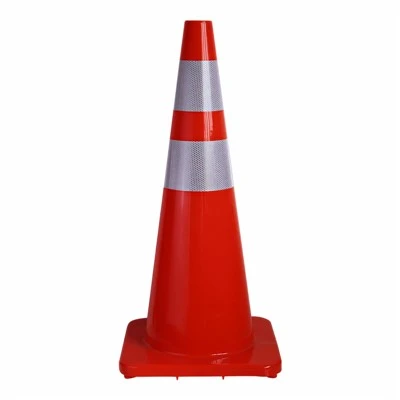
When it comes to outdoor safety and traffic management, traffic cones are an indispensable tool. Among the various types of traffic cones available on the market, soft traffic cones have emerged as a popular option. As a supplier of soft traffic cones, I am often asked whether these cones are suitable for outdoor use. In this blog post, I will delve into this question, exploring the features, advantages, and limitations of soft traffic cones in outdoor settings.
Features of Soft Traffic Cones
Soft traffic cones are typically made from materials such as rubber or PVC foam. These materials give the cones their distinctive softness and flexibility. Unlike traditional hard plastic cones, soft traffic cones can be easily compressed and deformed upon impact. For instance, if a vehicle accidentally runs over a soft traffic cone, it will simply flatten out and then quickly regain its original shape. This is in contrast to hard cones, which may crack or break under similar circumstances.
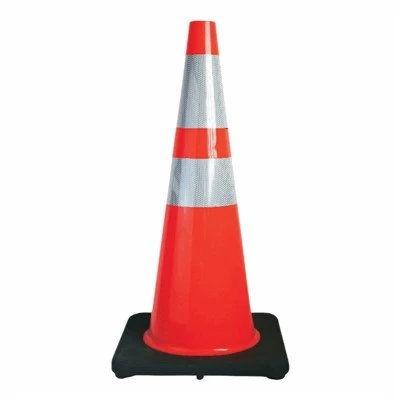
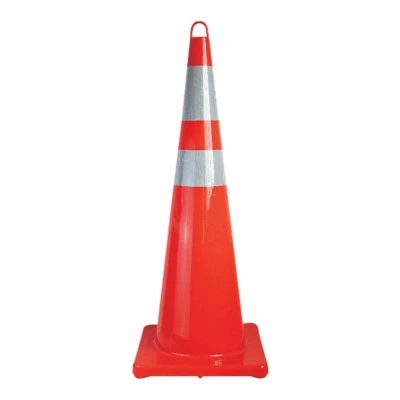
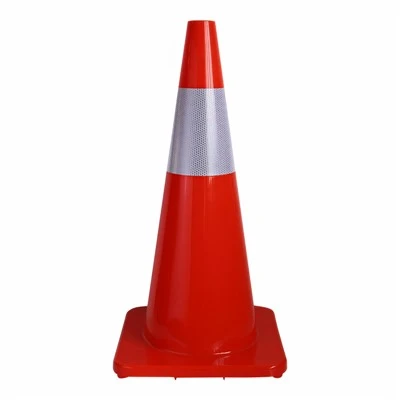
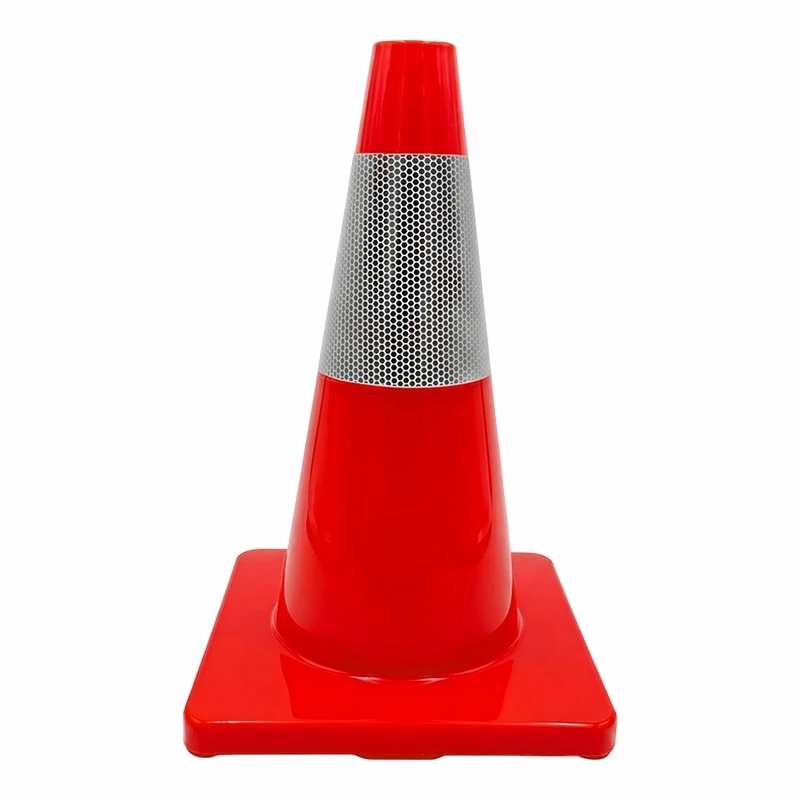
Another notable feature of soft traffic cones is their high visibility. Most soft cones are bright orange in color, which is highly conspicuous against various outdoor backgrounds, whether it's a road, a construction site, or a parking lot. Additionally, many soft traffic cones come with reflective bands. These bands enhance the cone's visibility, especially at night or in low - light conditions, making them clearly visible to drivers from a distance.
Advantages of Soft Traffic Cones for Outdoor Use
1. Safety
One of the primary advantages of soft traffic cones for outdoor use is safety. Their soft and flexible nature means that they pose less of a risk to vehicles and pedestrians. In a situation where a vehicle collides with a soft traffic cone, the cone will absorb the impact rather than causing damage to the vehicle. This can reduce the severity of accidents, especially in areas where there is a risk of low - speed collisions, such as parking lots or construction sites with limited vehicle movement.
For pedestrians, soft traffic cones are also safer. If a person accidentally trips over a soft cone, they are less likely to be injured compared to a hard cone, which could cause more serious cuts or bruises.
2. Portability
Soft traffic cones are extremely portable. They are lightweight, which makes them easy to carry and transport. Whether you are a construction crew moving between different job sites or a municipal worker setting up traffic barriers for an event, soft traffic cones can be quickly and easily loaded into a vehicle and taken to the required location. Some soft cones can even be folded or rolled up, further enhancing their portability. For example, a set of soft traffic cones can be neatly packed in the trunk of a car without taking up much space.
3. Cost - Effectiveness
In terms of cost, soft traffic cones can be a more economical choice for outdoor use. They are generally less expensive to manufacture than hard plastic or metal cones. This cost advantage is particularly beneficial for organizations or individuals with large - scale traffic management needs, such as construction companies or local authorities. Moreover, due to their durability and ability to withstand impacts, the long - term cost of using soft traffic cones can be lower as they do not need to be replaced as frequently as some other types of cones.
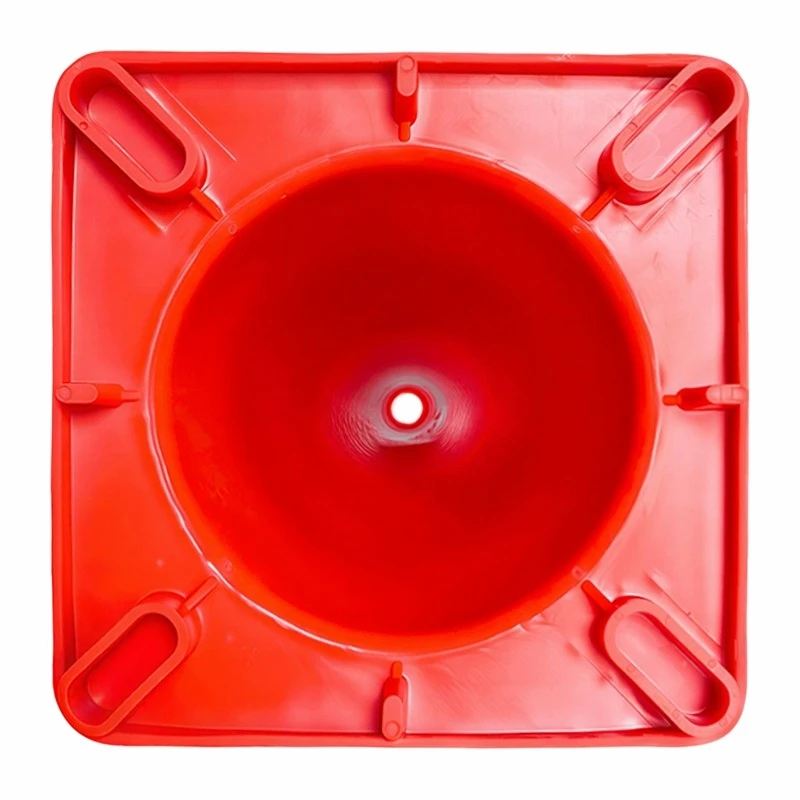
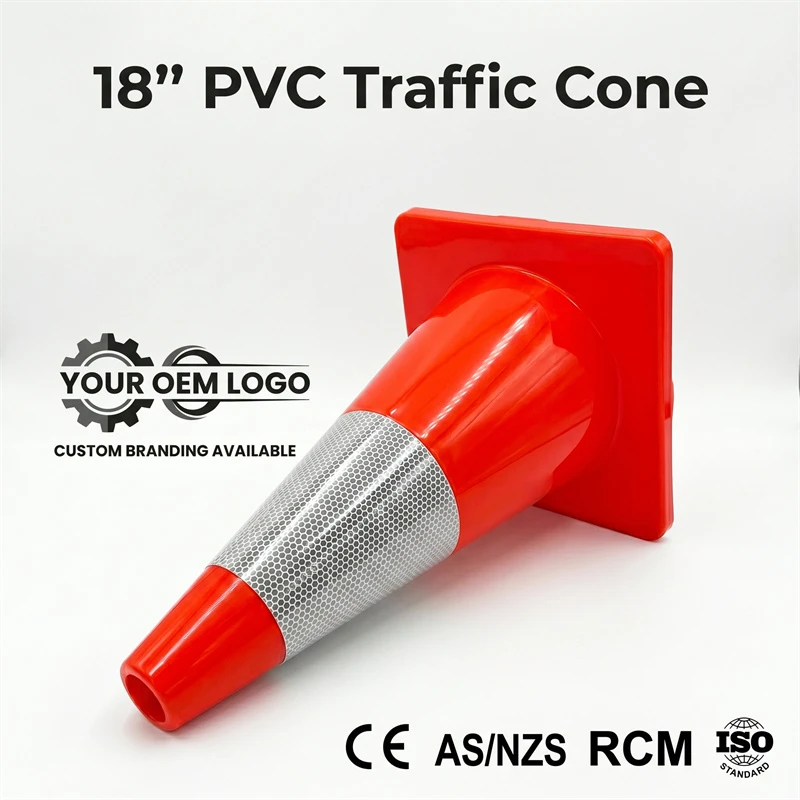
4. Versatility
Soft traffic cones are highly versatile in outdoor applications. They can be used in a wide range of settings, including road construction sites, parking lots, sports events, and educational institutions. For example, at a road construction site, soft traffic cones can be used to mark off work areas and guide traffic safely around the construction zone. At a sports event, they can be used to define the boundaries of the playing field or to direct spectators to different areas of the venue.
Limitations of Soft Traffic Cones
1. Wind Resistance
One of the main limitations of soft traffic cones is their relatively lower wind resistance compared to hard cones. In areas with strong winds, such as open highways or coastal regions, soft traffic cones may be more likely to be blown over. This can compromise their effectiveness in guiding traffic or marking areas. However, some soft traffic cones are designed with weighted bases to improve their stability in windy conditions.
2. Extreme Temperatures
Soft traffic cones may also be affected by extreme temperatures. In very cold weather, the materials used to make soft cones can become brittle, which may reduce their flexibility and increase the risk of damage. On the other hand, in extremely hot weather, the cones may become soft and lose their shape more easily. This is something to consider when using soft traffic cones in outdoor environments with extreme temperature variations.
Comparison with Other Types of Traffic Cones
1. Hard Plastic Cones
Hard plastic cones, such as the Durable PVC Traffic Cone, are known for their durability and high wind resistance. They are suitable for long - term use on busy roads and highways. However, they lack the safety features of soft traffic cones. As mentioned earlier, hard plastic cones can cause more damage to vehicles and pedestrians in the event of a collision.
2. Metal Cones
Metal cones are extremely sturdy and can withstand heavy impacts and harsh weather conditions. They are often used in high - traffic areas or in situations where maximum durability is required. However, they are also much heavier and more expensive than soft traffic cones. Their weight makes them less portable, and they can be more difficult to set up and move around.
Conclusion
In summary, soft traffic cones are generally suitable for a wide range of outdoor uses. Their safety features, portability, cost - effectiveness, and versatility make them an attractive option for many applications. However, it's important to be aware of their limitations, such as lower wind resistance and susceptibility to extreme temperatures.
If you are in need of high - quality soft traffic cones for your outdoor traffic management needs, we are here to help. Our soft traffic cones are designed to offer the perfect balance of safety, durability, and visibility. We also provide a variety of related products, including Traffic Warning Cones, Highway Safety Cones, 18 Inch Traffic Safety Cone, and Crush - Resistant Traffic Cone.
Whether you are a construction company, a local authority, an event organizer, or any other entity in need of traffic management solutions, we invite you to contact us for more information and to discuss your specific requirements. Our team of experts is ready to provide you with the best advice and products to ensure your outdoor areas are safe and well - managed.
References
- American Traffic Safety Services Association (ATSSA). Traffic control device guidelines.
- National Cooperative Highway Research Program (NCHRP). Research on traffic cone materials and performance.