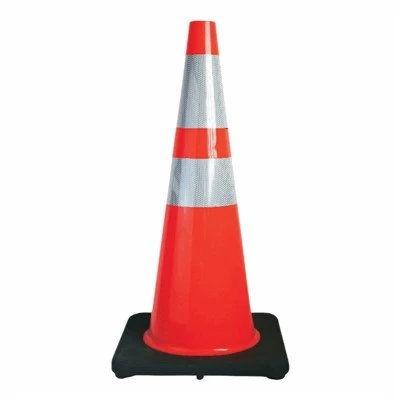
In the dynamic realm of traffic management and access control, the quest for effective, reliable, and adaptable solutions is perpetual. One such solution that has been gaining significant traction is the use of flexible traffic cones. As a leading supplier of Flexible Traffic Cones, I am often asked whether these cones can be used for setting up access control points. In this blog post, we will explore this question in detail, examining the features, benefits, and practical applications of flexible traffic cones in access control scenarios.
Understanding Flexible Traffic Cones
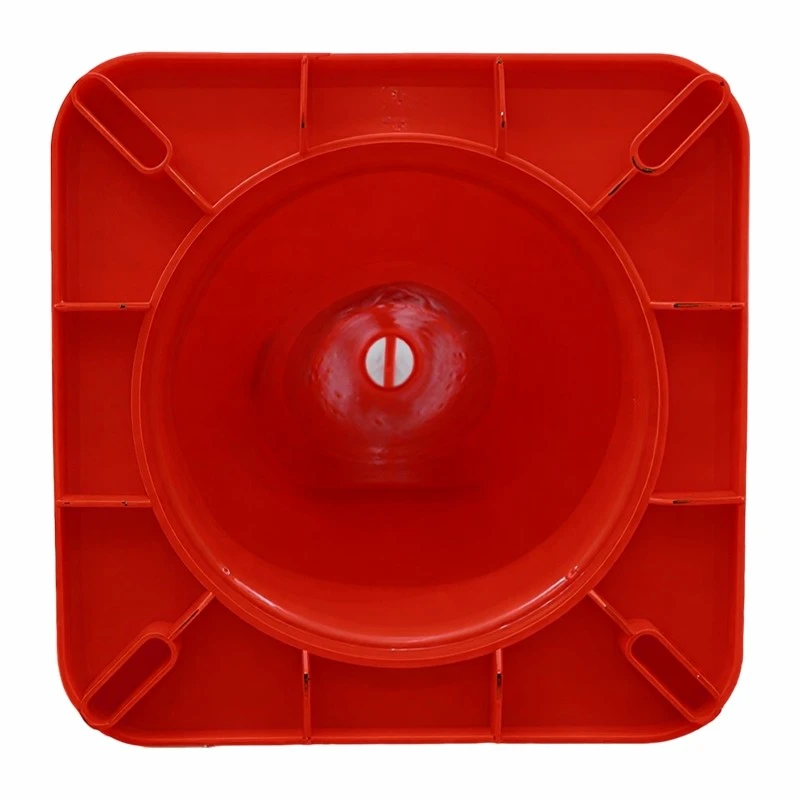
Flexible traffic cones are a modern alternative to traditional rigid cones. They are typically made from high - quality, durable materials such as rubber or plastic polymers that allow them to bend and flex upon impact. This flexibility makes them highly resistant to damage from vehicles, pedestrians, or other external forces. Unlike rigid cones that may shatter or break when hit, flexible cones can absorb the impact and return to their original shape, ensuring long - term use and cost - effectiveness.
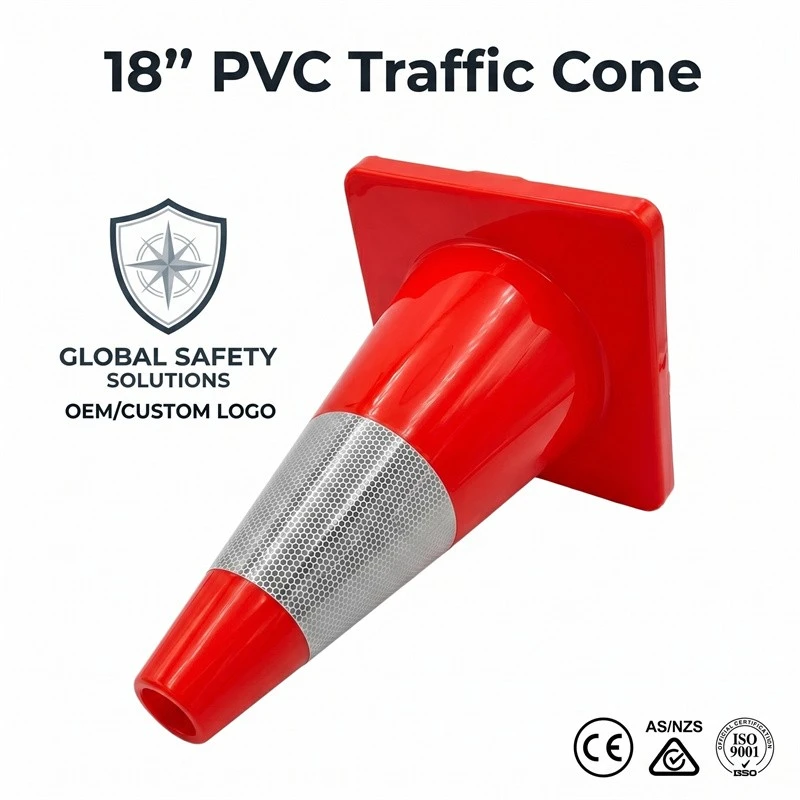
Our company offers a wide range of flexible traffic cones, including Traffic Warning Cones, 36 - Inch Traffic Cone, 18 Inch Traffic Safety Cone, Soft Traffic Cones, and Traffic Cone Big. Each type is designed to meet different traffic management and access control needs.
Features that Make Flexible Traffic Cones Suitable for Access Control
Visibility
One of the primary requirements for access control points is high visibility. Flexible traffic cones are usually brightly colored, most commonly orange, which is highly visible during the day. Additionally, many of our cones come with reflective bands. These reflective elements enhance visibility at night or in low - light conditions, ensuring that they are easily noticed by drivers, pedestrians, and cyclists. This high visibility helps in clearly marking the access control points, preventing unauthorized entry and guiding authorized individuals to the correct paths.
Mobility
Flexibility often goes hand - in - hand with portability. Our flexible traffic cones are lightweight and easy to move around. Whether you need to set up a temporary access control point for an event, a construction site, or a parking lot, these cones can be quickly deployed and re - positioned as needed. This mobility is a significant advantage over more permanent access control solutions, which may require extensive installation and dismantling processes.
Durability
Access control points are subject to various kinds of abuse, including being run over by vehicles, kicked by pedestrians, or exposed to harsh weather conditions. Flexible traffic cones are built to withstand these challenges. Their ability to bend and recover means they can endure multiple impacts without significant damage. This durability ensures that they can maintain their function as access control markers for an extended period, reducing the need for frequent replacements.
Applications of Flexible Traffic Cones in Access Control
Construction Sites
Construction sites often require strict access control to ensure the safety of workers and the public. Flexible traffic cones can be used to mark restricted areas, entrances, and exits. For example, they can be arranged in a line to create a barrier between the active construction zone and the public sidewalk. The cones' visibility warns pedestrians not to enter the dangerous area, while their flexibility means they can withstand accidental bumps from construction vehicles.
Event Venues
Events such as concerts, sports games, and festivals attract large crowds. To manage the flow of people and vehicles, flexible traffic cones can be used to set up access control points at entrances, exits, and parking areas. They can be arranged in different configurations to create lanes for ticketed attendees, VIPs, and emergency vehicles. After the event, the cones can be easily removed, leaving no permanent marks on the venue.
Parking Lots
In parking lots, flexible traffic cones can be used to control the flow of traffic and mark restricted areas. For instance, they can be used to block off disabled parking spaces, reserved spots, or areas undergoing maintenance. Their ability to be quickly moved and re - arranged makes them ideal for adapting to changing parking needs.
Advantages Over Other Access Control Methods
Cost - Effectiveness
Compared to more permanent access control solutions such as gates, barriers, or fencing, flexible traffic cones are a much more affordable option. They require no complex installation processes, and their long - term durability means lower replacement costs. This makes them an attractive choice for organizations with budget constraints or those that need temporary access control solutions.
Flexibility in Configuration
Flexible traffic cones can be arranged in a variety of configurations to suit different access control needs. Whether you need a simple single - lane barrier or a more complex multi - lane setup, the cones can be easily adjusted. This flexibility allows for quick changes in access control strategies in response to changing circumstances.
Minimal Impact on the Environment
Unlike some access control methods that may require significant construction work or the use of non - biodegradable materials, flexible traffic cones have a relatively low environmental impact. They are often made from recyclable materials, and their portability means they can be reused in multiple locations, reducing waste.
Considerations When Using Flexible Traffic Cones for Access Control
Adequate Quantity
To effectively set up an access control point, it is essential to use an adequate number of cones. The number of cones required will depend on the size and layout of the area to be controlled. A general rule of thumb is to space the cones close enough together to prevent unauthorized passage but far enough apart to allow for easy movement of authorized vehicles or pedestrians.
Maintenance
Although flexible traffic cones are durable, they still require some maintenance. Regularly check the cones for signs of wear and tear, such as cracks or fading of the reflective bands. Clean the cones periodically to ensure maximum visibility, especially in areas with high dust or dirt levels.
Supplementary Measures
In some cases, flexible traffic cones may need to be used in conjunction with other access control measures. For example, in high - security areas, cones can be used in combination with security personnel or electronic access control systems to provide an additional layer of security.
Conclusion
In conclusion, flexible traffic cones are a versatile, effective, and cost - efficient solution for setting up access control points. Their high visibility, mobility, durability, and flexibility in configuration make them suitable for a wide range of applications, from construction sites to event venues and parking lots. As a leading supplier of Flexible Traffic Cones, we are committed to providing high - quality products that meet the diverse needs of our customers.
If you are considering using flexible traffic cones for your access control needs, we invite you to contact us for more information. Our team of experts can help you select the right type and quantity of cones for your specific requirements, and guide you through the installation and maintenance process. Let's work together to create safe and efficient access control solutions for your organization.
References
- "Traffic Management Handbook", Institute of Transportation Engineers
- "Safety in Traffic Control", National Safety Council