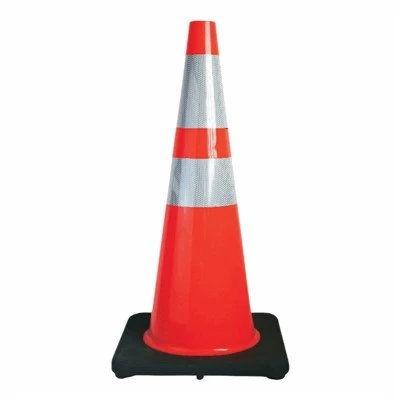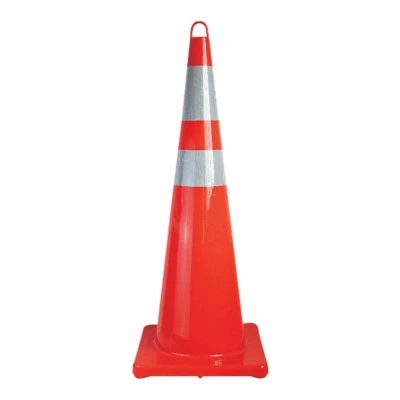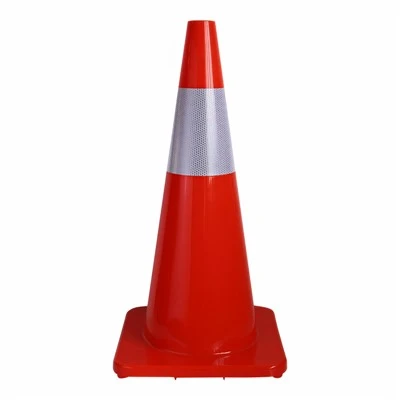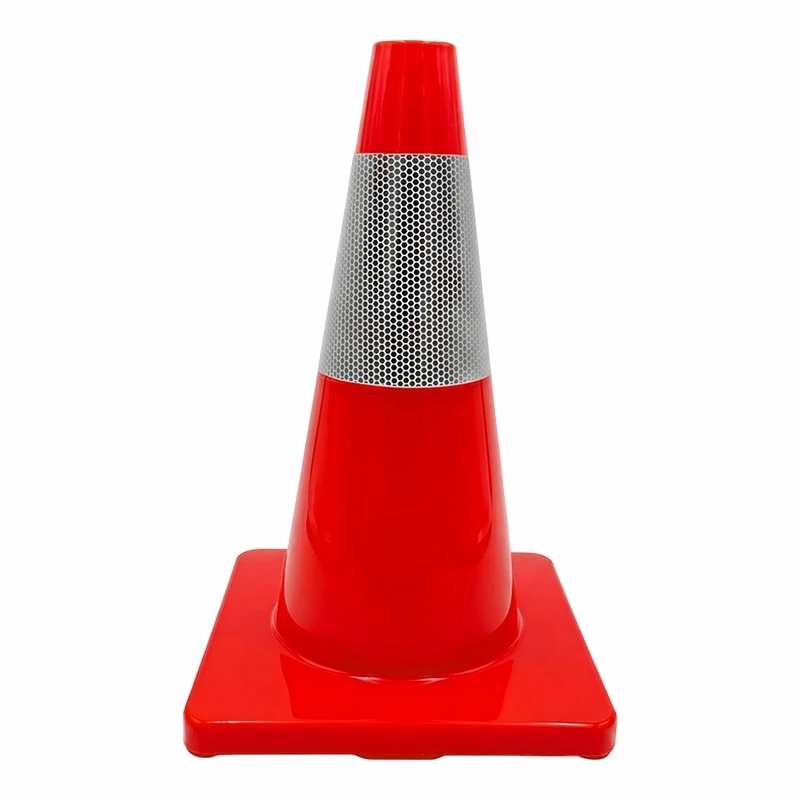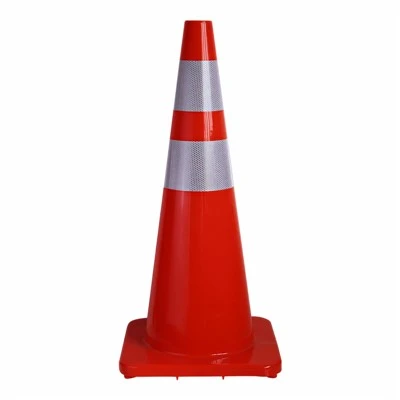
Heavy - duty traffic cones are an indispensable part of modern traffic management and pedestrian safety systems. As a supplier of heavy - duty traffic cones, I have witnessed firsthand how these simple yet effective tools play a crucial role in safeguarding pedestrians.
Visibility and Warning
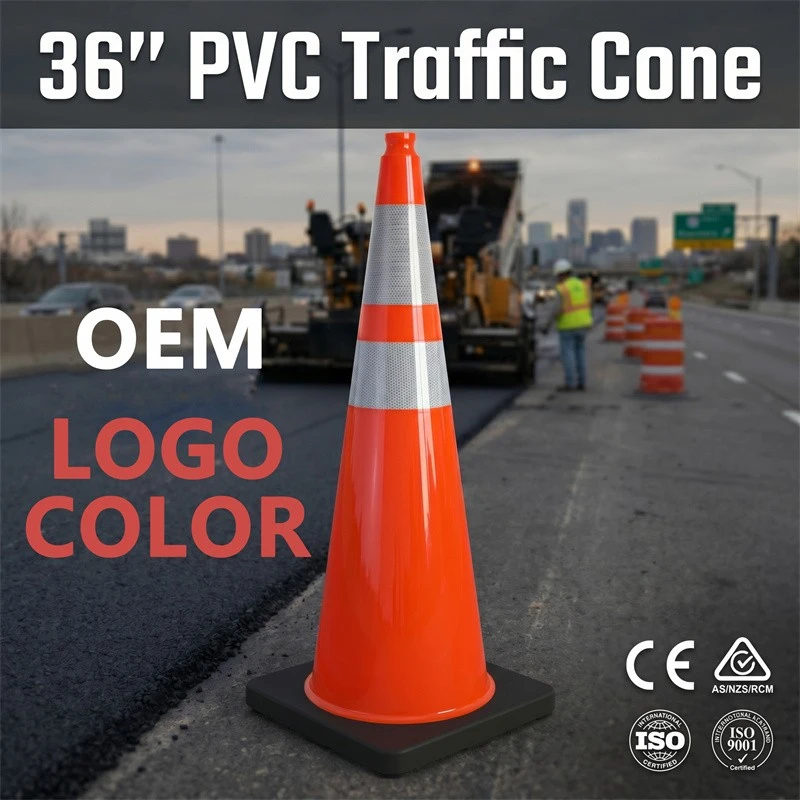
One of the primary ways heavy - duty traffic cones contribute to pedestrian safety is through their high visibility. These cones are typically designed in bright colors, such as fluorescent orange or yellow, which are easily noticeable from a distance. This high - visibility feature is especially important in low - light conditions, such as at night or during foggy weather. When placed along the edge of a road construction site or an accident area, the Safety Barrication Cone immediately catches the attention of pedestrians.
The bright color acts as a warning sign, alerting pedestrians to the presence of a potential hazard. For example, in a construction zone where there may be moving machinery, falling debris, or uneven ground, the cones create a visual barrier that signals to pedestrians to stay away. This simple visual cue can prevent countless accidents and injuries.
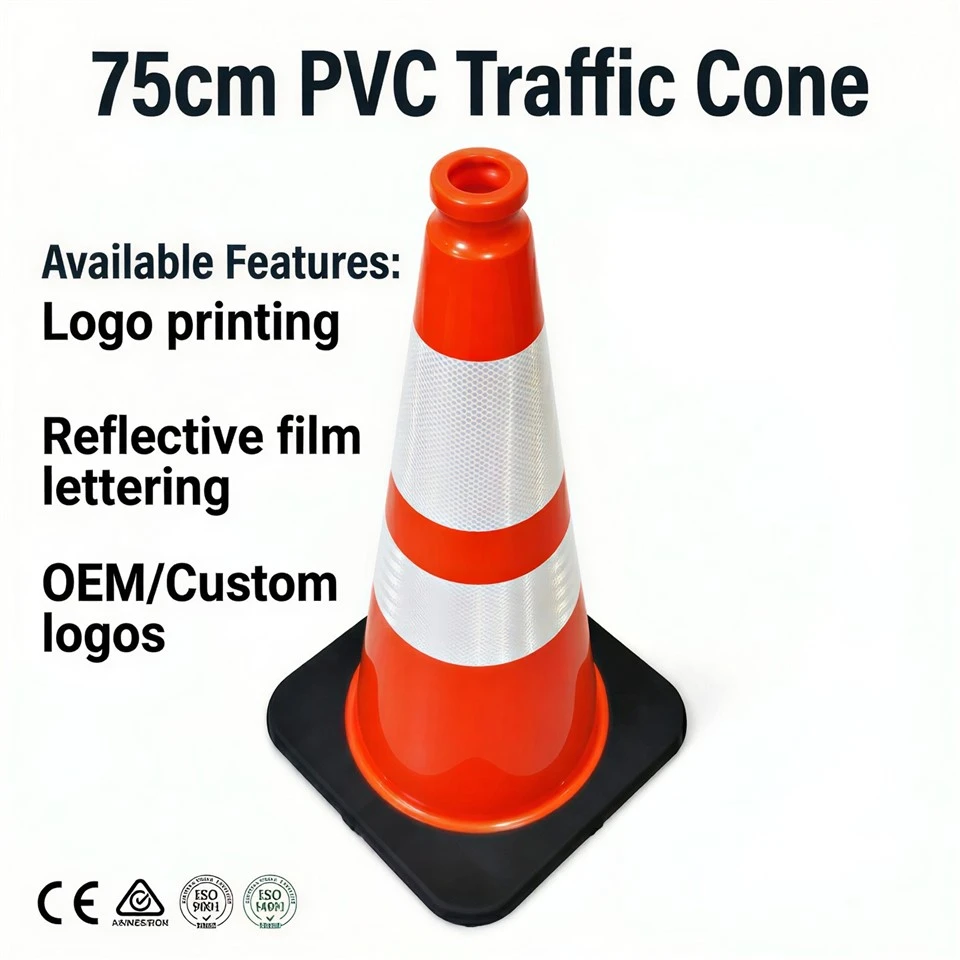
In addition to their color, heavy - duty traffic cones often have reflective strips. These strips enhance visibility even further by reflecting light from vehicle headlights or streetlights. When a car approaches a construction area or a blocked path, the reflected light from the cones makes them stand out, allowing the driver to see the area clearly and adjust their speed accordingly. This, in turn, reduces the risk of vehicles veering off the road and hitting pedestrians.
Traffic Diversion
Heavy - duty traffic cones are also used to divert traffic and create safe paths for pedestrians. In situations where a road is closed or partially blocked, cones can be used to guide vehicles around the obstruction. By creating a clear path for vehicles, the cones help to minimize congestion and ensure a smooth flow of traffic.
For instance, during a large public event, Event Traffic Control Cone can be used to set up traffic lanes and direct vehicles to parking areas. This not only helps to manage the flow of traffic but also creates safe zones for pedestrians to move around. Pedestrians can walk along the designated sidewalks or crosswalks without having to worry about being hit by vehicles.
In a construction zone, traffic cones can be used to create a detour for vehicles, keeping them away from the work area. This not only protects the construction workers but also provides a safe environment for pedestrians. The cones can be arranged in a way that guides pedestrians to a safe crossing point, reducing the risk of them being in the path of moving vehicles.
Defining Safe Zones
Heavy - duty traffic cones are excellent at defining safe zones for pedestrians. In areas where there is a potential danger, such as near a railway track or a busy intersection, cones can be used to mark off a safe area. For example, Police Traffic Cones are often used by law enforcement agencies to cordon off a crime scene or an accident area. This not only protects the integrity of the scene but also keeps pedestrians at a safe distance.
In a school zone, traffic cones can be used to mark the boundaries of a crosswalk or a school bus stop. This helps to ensure that pedestrians, especially children, know where it is safe to walk and wait for the bus. The cones act as a physical reminder of the safe area, reducing the likelihood of children wandering into the road.
In a parking lot, cones can be used to mark off disabled parking spaces or areas that are off - limits to pedestrians. This helps to prevent unauthorized access and ensures that pedestrians can move around the parking lot safely.
Durability and Stability
The heavy - duty nature of these traffic cones is another factor that contributes to pedestrian safety. Unlike regular traffic cones, heavy - duty cones are made from high - quality materials that can withstand harsh weather conditions and heavy impacts. They are designed to be stable and not easily knocked over by wind or passing vehicles.
For example, 28 - Inch Traffic Cone are often used in high - traffic areas or areas with strong winds. Their larger size and heavier base provide better stability, ensuring that they remain in place and continue to provide a clear warning to pedestrians and drivers.
The durability of heavy - duty traffic cones also means that they require less maintenance. They can be used repeatedly without losing their effectiveness, which is cost - effective for municipalities, construction companies, and event organizers. This reliability ensures that the safety measures put in place using these cones are consistent and long - lasting.
Adaptability to Different Situations
Heavy - duty traffic cones are highly adaptable to different situations. They can be used in a variety of settings, from small local events to large - scale construction projects. For example, Work Zone Cones are specifically designed for use in construction areas, where they need to withstand the rigors of heavy machinery and constant movement.
In an emergency situation, such as a natural disaster or a traffic accident, traffic cones can be quickly deployed to create safe zones and guide traffic. Their portability and ease of use make them an ideal tool for first responders and emergency management teams.
Conclusion
In conclusion, heavy - duty traffic cones play a vital role in pedestrian safety. Their high visibility, ability to divert traffic, define safe zones, durability, and adaptability make them an essential tool in traffic management and safety. As a supplier of heavy - duty traffic cones, we are committed to providing high - quality products that meet the needs of various industries and ensure the safety of pedestrians.
If you are interested in purchasing heavy - duty traffic cones for your construction project, event, or any other traffic management needs, please contact us for more information. We are more than happy to discuss your specific requirements and provide you with a customized solution.
References
- Federal Highway Administration. (2018). Manual on Uniform Traffic Control Devices (MUTCD).
- American Traffic Safety Services Association. (2019). Best Practices for Traffic Control Devices.
- National Safety Council. (2020). Traffic Safety Guidelines for Pedestrians and Motorists.