As a supplier of 24 - Inch Traffic Cones, I often find myself pondering the various aspects and impacts of these products. One rather unusual question that has piqued my curiosity is whether 24 - Inch Traffic Cones attract wildlife. In this blog, we'll explore this topic from a scientific and practical perspective.
Understanding the Basics of 24 - Inch Traffic Cones
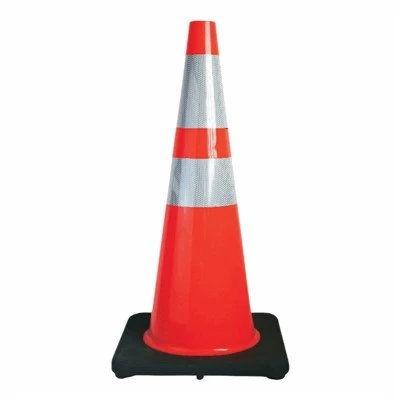
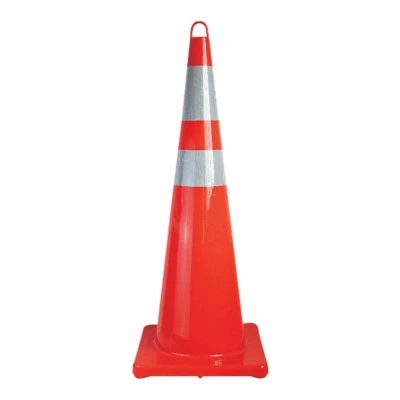
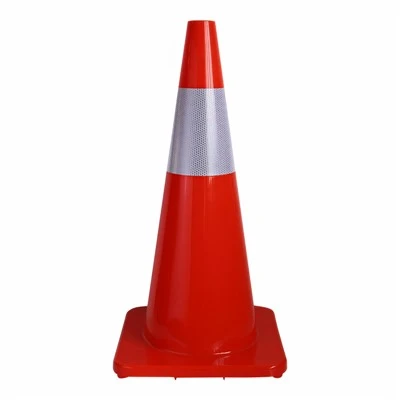
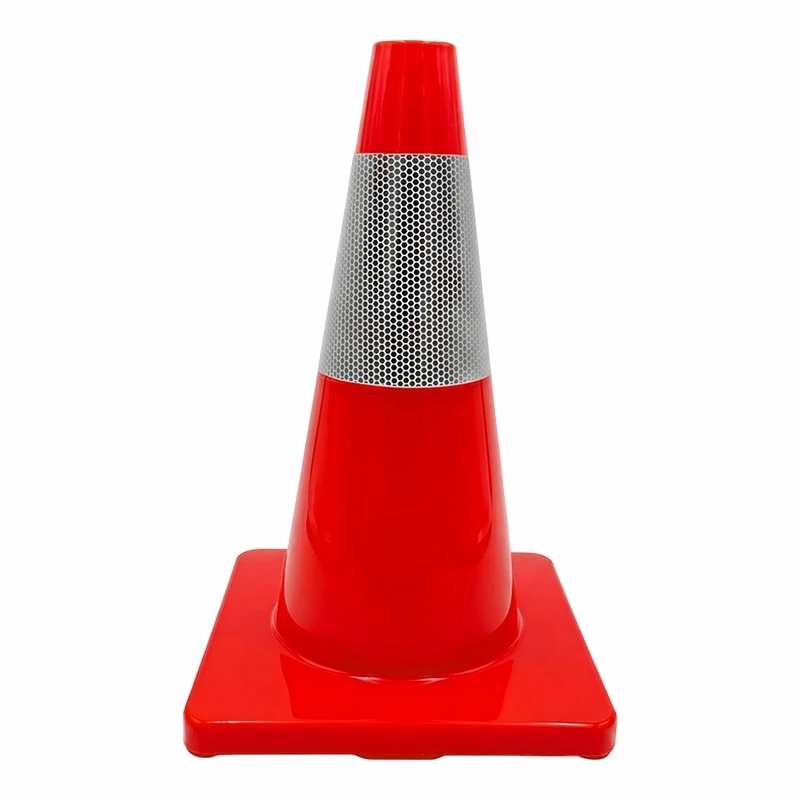
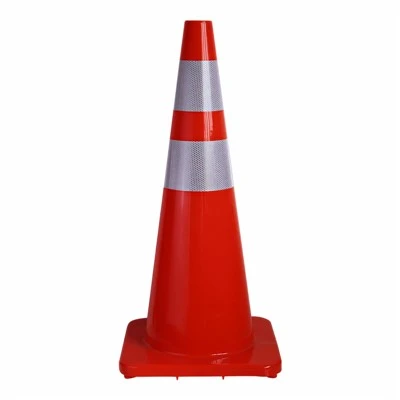
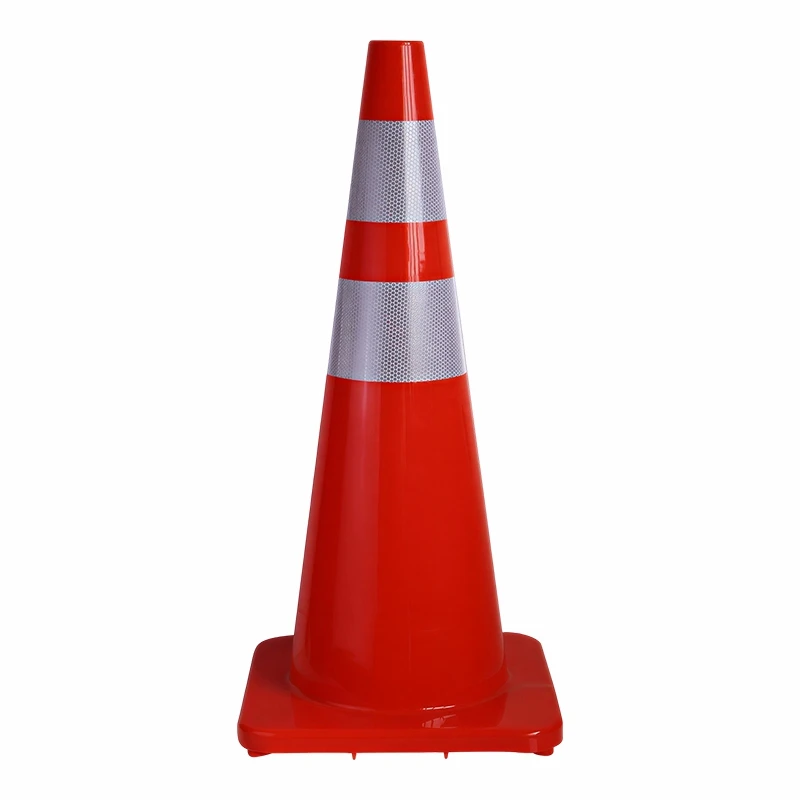
Before delving into the wildlife aspect, let's first understand what 24 - Inch Traffic Cones are. These cones are a common sight on roads, construction sites, and various work zones. They serve as a crucial safety tool, guiding traffic, marking hazards, and ensuring the safety of both workers and motorists. Work Zone Cones are designed to be highly visible, usually in bright orange colors, which makes them stand out even from a distance.
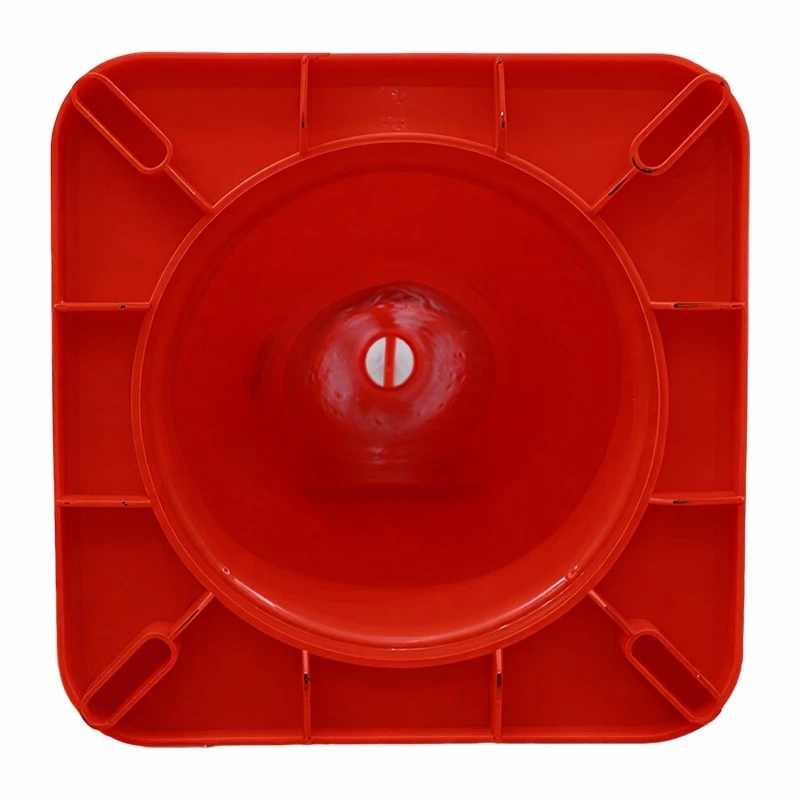
They are made of durable materials such as PVC or rubber, which can withstand the elements, including rain, sun, and even being run over by vehicles in some cases. Our Crush - Resistant Traffic Cone is a prime example of a high - quality 24 - Inch Traffic Cone that can endure significant pressure without getting damaged.
Why the Question of Wildlife Attraction?
Wildlife behavior is often influenced by a variety of factors, including food sources, shelter, and visual cues. The bright color of 24 - Inch Traffic Cones may seem like it could potentially attract the attention of wildlife. For example, in the natural world, bright colors are often associated with food sources such as ripe fruits or flowers. So, it's reasonable to wonder if these cones could have a similar effect on animals.
Scientific Evidence and Theories
To date, there is limited scientific research specifically focused on whether 24 - Inch Traffic Cones attract wildlife. However, we can draw on general knowledge of animal behavior to form some hypotheses.
Visual Perception of Animals
Many animals have different visual systems compared to humans. For instance, birds have excellent color vision and can see a wider range of the electromagnetic spectrum, including ultraviolet light. The bright orange color of traffic cones may be highly visible to them. Some birds are known to be attracted to bright objects, especially if they associate them with food or nesting materials. However, there's no clear evidence that they would be attracted to traffic cones in a significant way.
Mammals, on the other hand, have varying degrees of color vision. Dogs, for example, have dichromatic vision, which means they see fewer colors than humans. They may not be as strongly influenced by the bright orange color of the cones. Other mammals, such as deer, have different visual priorities, mainly focusing on detecting movement and potential threats.
Habitat and Proximity
The location of the traffic cones plays a significant role. In areas close to natural habitats, such as forests or wetlands, there is a higher chance of wildlife encountering the cones. If these cones are placed near a water source or a food - rich area, animals may come across them more often. However, this doesn't necessarily mean they are attracted to the cones themselves. It could be just a coincidence that they are in the same vicinity.
Real - World Observations
In my experience as a 24 - Inch Traffic Cone supplier, I've heard some anecdotal stories from customers. Some construction workers have reported seeing small animals, like squirrels or rabbits, near the cones on work sites. However, it's difficult to determine if the animals were actually attracted to the cones or if the work site itself provided some other form of attraction, such as food scraps or shelter.
Potential Implications
If 24 - Inch Traffic Cones were to attract wildlife, there could be several implications. On one hand, it might pose a safety risk to the animals. For example, if they are drawn to a busy road where the cones are placed, they could be at risk of being hit by vehicles. On the other hand, it could also disrupt work on construction sites. If animals are constantly around the cones, it could cause delays or safety concerns for the workers.
Other Types of Traffic Cones and Their Potential Impact on Wildlife
While we focus on 24 - Inch Traffic Cones, it's also worth considering other types of traffic cones. 18 Inch Traffic Safety Cone are smaller in size and may be less visible to wildlife from a distance. However, they are still bright and could potentially attract some attention.
Traffic Warning Cones and Roadside Safety Cones are used in different settings, such as along highways or on the sides of roads. The impact on wildlife in these areas may vary depending on the local wildlife population and their behavior patterns.
Conclusion
In conclusion, while the question of whether 24 - Inch Traffic Cones attract wildlife is an interesting one, there is currently not enough scientific evidence to provide a definitive answer. Anecdotal evidence suggests that there may be some interaction between wildlife and traffic cones, but it's likely influenced by a variety of factors such as location, animal species, and the overall environment.
As a supplier of high - quality 24 - Inch Traffic Cones, we are committed to providing products that not only meet safety standards but also have minimal impact on the environment. If you are in the market for traffic cones, whether it's 24 - Inch Traffic Cones or other types like Work Zone Cones or 18 Inch Traffic Safety Cone, we would love to discuss your requirements. Reach out to us to start a conversation about your traffic cone needs, and let's find the best solution for your safety and operational demands.
References
Although there is limited direct research on this specific topic, general knowledge of animal behavior has been drawn from various academic sources in zoology and environmental science. For a more in - depth understanding of animal visual systems, textbooks such as "Animal Behavior: An Evolutionary Approach" by John Alcock can be referenced. For information on traffic safety and cone use, industry standards and guidelines provided by transportation departments are valuable resources.